When it comes to HVAC systems, maintaining proper airflow is crucial for ensuring optimal performance and energy efficiency. One way to achieve this is through the use of suspended ducting, a method of installing ductwork that offers numerous benefits. In this article, we will explore the advantages of suspended ducting and how it can help maximize space and efficiency in commercial and industrial settings.
suspended ducting is a system of installing ductwork overhead, rather than running it along walls or ceilings. By hanging the ducts from the ceiling or roof structure, valuable floor space is freed up for other uses. This can be particularly advantageous in buildings with limited space or where the installation of ductwork along the walls is not feasible.
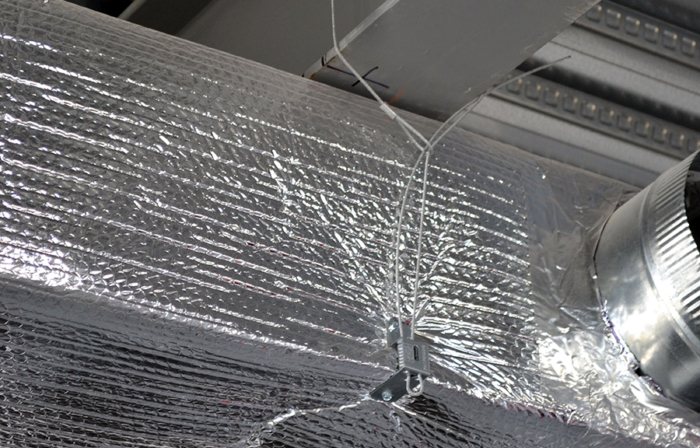
One of the major benefits of suspended ducting is improved airflow. By elevating the ductwork, air can flow more freely without obstructions, resulting in better distribution of heating and cooling throughout the building. This can help reduce energy costs by ensuring that the HVAC system operates efficiently and effectively.
Another advantage of suspended ducting is ease of maintenance. Because the ductwork is installed overhead, it is easier to access for cleaning, repairs, and inspections. This can help extend the life of the HVAC system and prevent costly downtime due to maintenance issues.
suspended ducting also offers flexibility in design and layout. With the ductwork hanging from the ceiling, it is easier to customize the layout to fit the specific needs of the building. This can be especially useful in retrofitting older buildings or in situations where the layout of the space is irregular.
In addition to space savings and improved airflow, suspended ducting can also improve the aesthetics of a space. By keeping the ductwork overhead, the walls and ceilings are left clear, creating a more open and visually appealing environment. This can be particularly beneficial in retail spaces, offices, and other commercial settings where aesthetics are important.
Furthermore, suspended ducting can help reduce noise pollution. By locating the ductwork overhead, noise from the HVAC system is less likely to be transmitted throughout the building. This can create a quieter and more comfortable environment for occupants.
From a practical standpoint, suspended ducting can also simplify the installation process. By hanging the ductwork from the ceiling, it eliminates the need for costly supports and brackets along the walls or ceilings. This can help reduce installation time and labor costs, making it a cost-effective solution for HVAC system installations.
In conclusion, suspended ducting offers a range of benefits for maximizing space and efficiency in commercial and industrial settings. By elevating the ductwork overhead, valuable floor space is freed up, airflow is improved, maintenance is easier, and design flexibility is enhanced. Additionally, the aesthetic appeal of the space can be improved, noise pollution can be reduced, and installation costs can be minimized. Overall, suspended ducting is a practical and efficient solution for HVAC system installations that can help optimize performance and energy efficiency.